Many veterans face significant challenges after transitioning back to civilian life. While their service reflects strength and sacrifice, the reality is that many struggle to find stability once they return home.
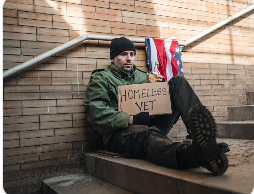
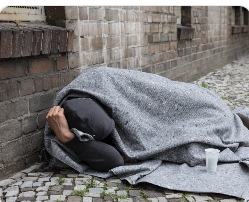
A growing number of veterans experience homelessness due to a lack of affordable housing, limited financial resources, and difficulty securing stable employment. Without a safe place to live, it becomes nearly impossible to rebuild and move forward.
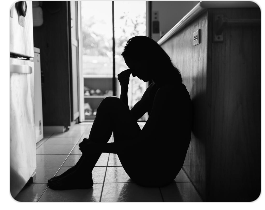
Many veterans face mental health challenges such as PTSD, anxiety, depression, and substance use. Without proper support systems, these challenges can lead to isolation, instability, and difficulty maintaining employment and housing.
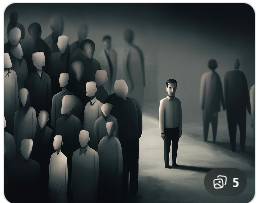
After leaving the military, some veterans lose the structured support and community they once relied on. Without guidance, accountability, and encouragement, it can be difficult to navigate daily life and long-term goals.
Veterans may face barriers when entering the workforce, including gaps in employment, lack of civilian job experience, or difficulty translating military skills into the workforce. Financial instability often follows, making it harder to maintain housing and independence.
These challenges are not just statistics—they represent real people who have served our country and deserve support, dignity, and opportunity. Without intervention, many veterans remain stuck in cycles of instability.

Veterans Housing and Recovery Program exists to address these issues by providing safe housing, recovery support, and access to resources that help veterans regain control of their lives and build a stable future.
We believe that no veteran should be left without support. By addressing these core issues, we are working to create lasting change and provide a path toward hope, healing, and independence.